What Does It Mean to Be Blacklisted? Signs & Fixes
by WriteSeen
What does it mean to be blacklisted? To be blacklisted means to be excluded from opportunities, collaborations, or platforms because a group or authority sees you or your work as undesirable or risky.
If you are blacklisted, you might suddenly lose access to jobs, publishing deals, funding, or even digital tools that drive your creative career. It applies to anyone: individuals, teams, companies, or even digital identities, and it can happen formally (with official lists) or informally through industry circles.
Being blacklisted can feel like an invisible barrier, but it is not always permanent — and there are practical ways to respond and protect your creativity.
Define Blacklisting and Who Does It Affect?
When you hear the word "blacklisted," you think exclusion. But the reality is sharper: blacklisting is an active process. A decision, a list, a closed door. If you're blacklisted, someone with power decided you or your work should be avoided, distrusted, or denied resources. That’s the real-world reality behind what does it mean to be blacklisted.
Real-World Effects: Who’s at Risk?
Blacklisting disrupts livelihoods, halts creative progress, and blocks access to opportunity. It's not limited to celebrities or tech firms. Here’s who faces real-world impact:
- Individuals lose job offers, publishing deals, and crucial references after industry gatekeepers share informal do-not-hire lists. The results are often sudden and silent.
- Organizations can be banned from events, grant pools, or industry associations. One wrong call and professional networks evaporate overnight.
- Digital entities like IP addresses and emails get flagged in tech systems, shutting out creators from essential online tools or distribution channels. Tech blacklists lock accounts in minutes with no warning.
- Groups and collectives (think unions, activist clusters, or fandom circles) sometimes face coordinated exclusion after perceived rule-breaking or political activity. Entire communities can become invisible.
Blacklisting is rarely random. It happens when someone with resources, reach, or status decides you should be left out.
You see the patterns repeat in Hollywood, academia, publishing, and the online creative economy. Here at WriteSeen, we build against this—delivering secure timestamped validation and privacy controls so every creator can own their story and manage how, when, and where they’re discovered. We believe skill and creativity should win, not legacy gatekeeping.
Where Does the Term “Blacklist” Come From And How Has It Changed?
To seize control of your creative future, you need to know the roots of exclusion. "Blacklist" first appeared in the 1600s, when the stakes were high for outcasts. At first, it meant social or political punishment—entire professions marked for banishment, like striking miners in the 1700s or political dissenters after regime changes. Looking at that history makes it easier to understand what does it mean to be blacklisted in modern creative industries.
Historical Shifts: From Labor Fights to Digital Deny-Lists
- Labor strife: Company towns kept physical lists of "dangerous" workers. A name on the list meant no one would hire you, sometimes for life.
- Cultural flashpoints: The Hollywood blacklist of the late 1940s forced screenwriters and actors into hiding, stealing credits and careers over suspected political beliefs.
- Tech adoption: In computing, "blacklists" became algorithmic tools used to deny access to sites, email, or platforms. Getting your email on one of these lists can end a marketing campaign instantly—or worse, block access to your own fans.
Contemporary organizations now move to neutral terms like "blocklist" or "denylist". Even so, the power dynamics and risky consequences are unchanged: blacklisting started as a blunt force. It remains a tool both for protection and for unchecked exclusion.
What Happens When You Are Blacklisted?
Getting blacklisted stops progress in its tracks. Most creators first notice through a string of rejections. Projects stall, opportunities vanish, and even old contacts stop answering. The silence is often deliberate; no one tells you outright that you’re on a list.
The Ripple Effects of Exclusion
- Career freeze: Unexplained declines from jobs, contests, or festivals. Your name elicits silence or doors closing that previously swung open.
- Online lockdown: Email bounces, banned logins, or lost website traffic point to a technical block. It’s not just a glitch—your reputation is being managed without your consent.
- Psychological hit: Blacklisting is isolating. Self-doubt grows as rejections pile up. Creators worry not just about today but about sustaining a career at all.
Sometimes blacklisting is justified by policy. Often, it’s procedural, hinging on unproven allegations, bias, or old rivalries. Removal is possible, but navigating back requires grit and clear proof of change or error.
Blacklisting isn’t always permanent, but its impact can feel absolute.
Common Reasons Individuals or Organizations Get Blacklisted
Understanding why blacklisting happens sets you up to prevent, challenge, or recover from it. Not every blacklist stems from bad intent—some remove real threats, while others are arbitrary or retaliatory.
Typical Triggers Across Creative Fields
- Perceived rule-breaking: Policy violations, copyright issues, or other contract breaches put you at risk immediately. Creators sometimes end up excluded for accidental missteps.
- Whistleblowing or advocacy: Raising your voice about unfair practices or representation can make you a target, not a trailblazer, if the wrong gatekeeper listens.
- Controversial beliefs or associations: Sharing unpopular opinions or associations during politically tense times can lead to instant industry-wide exclusion.
- Technical faults or hacks: If your email or web address gets hijacked, automated algorithms might blacklist you, thinking you’re sending spam.
- False positives: Automated systems or hearsay can land you on a denylist with no warning and no clear route to fix things.
These triggers show why creators must know their landscape, secure their digital presence, and document their creative process. Only then can you challenge unfair blacklisting and demonstrate your value.
Main Types of Blacklists: Contexts and Mechanisms
Blacklisting isn’t one-size-fits all. Depending on the environment, what does it mean to be blacklisted can look very different from one industry to another. Different industries wield different types of lists, each with unique enforcement and remedies. Recognizing the variety arms you for action.
Unpacking the Most Common Blacklisting Contexts
- Employment and industry blacklists: Informal "do-not-hire" notes pass from recruiter to recruiter, especially for union activists or those who push boundaries. Academic and publishing circles sometimes quietly bar researchers from journals or talks.
- Entertainment blocks: The Hollywood blacklist drove writers and actors underground, silencing voices based on suspicion alone. Credits disappeared, careers evaporated.
- Government and official lists: Sanction lists, legal bans, and export controls function as highly regulated blacklists—being named comes with immediate, documented consequences.
- Technical blacklists: Providers use automated lists to block email, IPs, domains, or apps tied to spam, abuse, or malware. These are procedural but swift, often with remediation steps if you spot the block early.
- Provisional lists ("graylists") and whitelists: Graylists put you in probation, while whitelists mean full access, allowing only trusted creators into premium spaces.
Each type of blacklist has its own playbook. Knowing which one you’re facing is the first step to beating exclusion.
How Can You Know If You Have Been Blacklisted?
Often, the only sign of blacklisting is ongoing silence. For many professionals, what does it mean to be blacklisted becomes clear through patterns rather than direct confirmation. Recognizing the patterns lets you act fast and limit further damage.
Clear Clues You’ve Hit a Wall
- Repeated rejections from competitions, agents, clients, or platforms, especially with no clear feedback or sudden shifts from past success.
- Technical barriers, like bounced emails showing blocklist codes or denied logins that cite spam warnings or reputation risks.
- Industry echoes: Hearing through contacts or rumors that “you’re on a list.”
- Missing opportunities: Invitations stop, project offers dry up, and even peers distance themselves.
If you suspect a blacklist, request written reasons, review any consumer report used against you, and scan technical dashboards for blocklisting notices. Keep detailed records and don’t rely on whispers. Document everything. If you find yourself cut off, proactive evidence-gathering is your best move to start reversing the process.
You can’t fight a wall you don’t see—identify the signs, confirm the source, and document every roadblock.
What Can You Do If You Are Blacklisted?
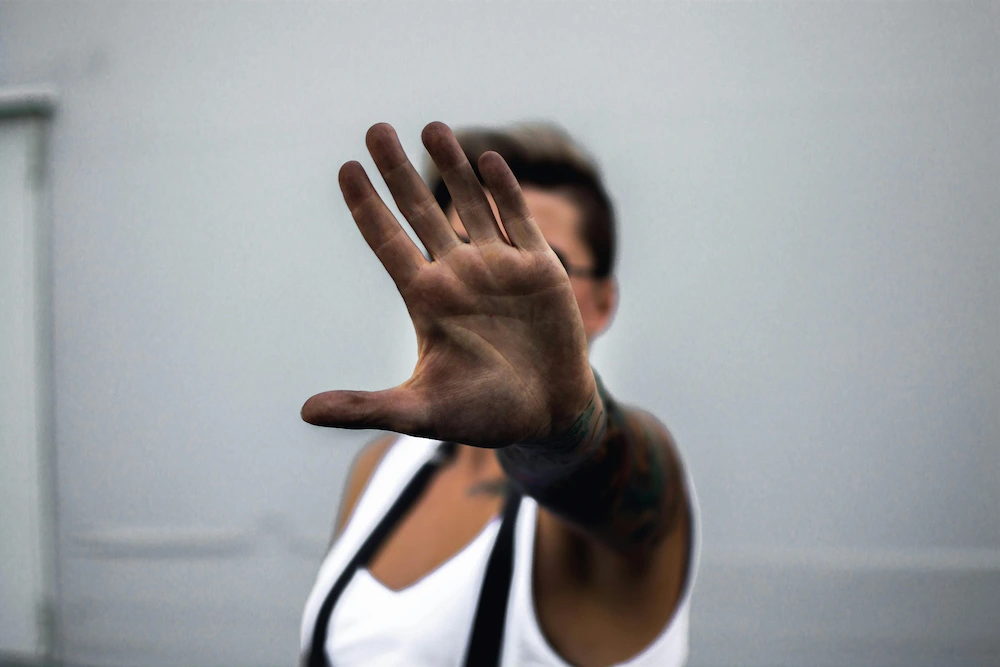
Getting blacklisted isn’t the end of your story. Once you understand what does it mean to be blacklisted, your focus can shift from confusion to strategy. You have options. When you respond quickly, you regain power over your creative reputation and unlock new opportunity.
Steps to Take Right Away
- Prove it: Save rejection emails, bounce notices, and platform messages. Documentation is key to confirming a blacklist and tracking patterns.
- Ask for specifics: Request a formal reason or report if available. For employment issues, companies must disclose details tied to background checks or certain legal frameworks.
- Use appeals or dispute channels: With tech or consumer platforms, a clear error or quick remediation often gets you back in the game. Don’t wait for an invitation—initiate, document, and follow up.
Legal, Reputation, and Career Moves
- You may have legal protections, especially if discrimination, retaliation, or published falsehoods are at play. Consult advocacy groups, legal support, or an industry body for strategic options.
- Refine your public messaging. Address errors with facts, publish corrections where needed, and avoid defensive or emotional outbursts that stick.
- Tap your network for testimonials and introductions. Third-party support breaks echo chambers and proves your value.
Discoverability Without the Gatekeepers
You don’t need to wait for legacy approval. On WriteSeen, creators get timestamped authorship, privacy controls, and space for honest feedback. Your talent and track record—not industry gossip—drive discovery. Increase your visibility safely by controlling who sees your full portfolio and by managing release timing to suit your strategy.
Don’t wait for permission. Take action, gather proof, build new alliances, and turn the blacklist into leverage for real professional growth.
Is Being Blacklisted Permanent? Can You Get Off a Blacklist?
A blacklist can feel permanent, but most are not. Many people assume what does it mean to be blacklisted is lifelong exclusion, but that’s rarely the case. The path back depends on the source, the context, and your willingness to take clear, strategic steps.
How Removal Happens
- Technical delisting: Fix the root cause (like spam or malware), then file a delisting request with evidence. Many blocks are automated but reversible.
- Employment and platform reinstatement: Correct errors in background checks, provide clarifying documents, or meet with stakeholders who control access.
- Reputation rebuilding: Reconnect with mentors, get fresh testimonials, and show sustained, positive progress. Sometimes public acknowledgement or a formal apology closes the loop.
Progress might take time. Some lists are sticky, especially when fueled by old rivalries or vague allegations. Persistence and clear, honest communication move you forward.
Blacklists slow you down, but they don’t define your creative value or your long-term future.
How Does Blacklisting Compare to Other Barriers?
Blacklisting isn’t the only way creators face exclusion. Knowing the differences helps target your response and set expectations.
Key Differences Explained
- Blackballing: Usually social—like a closed group refusing entry. Influence stays personal, driven by network ties.
- Cancel culture: Social media moves quickly here. Public pressure and viral content drive rapid ostracism, often with little warning or due process.
- Shadow banning: Tech platforms limit visibility quietly. You’re not directly blocked, but your audience vanishes without notice.
- Graylisting: Conditional or temporary hold. You can return by meeting specific requirements.
Each approach can cause stress and stall your career. But knowing which barrier blocks you helps pick the right remedy: appeal, public response, tech fix, or finding a fresh audience.
Every barrier has a workaround or a window for return. The key is clarity on what you’re facing.
How Can Creatives Protect Themselves And Their Work?
Prepared creators bounce back fast. Protection starts long before a problem. Lock in your ownership, control your exposure, and diversify your audience.
Practical Protections for Creative Work
- Timestamped proof: Use platforms like WriteSeen to store and timestamp projects. This creates defensible records of your authorship and growth—vital for credit disputes or copyright claims.
- Privacy and selective sharing: Limit access to unfinished drafts or sensitive projects. Share first with trusted peers, then expand as the work is refined.
- Track and organize: Organize your portfolio so you can respond fast when issues arise. Keep references, contracts, and third-party endorsements up-to-date.
- Monitor your reputation: Check feedback, deliverability, and search visibility. Spot anomalies before they become barriers.
Our platform is built for you to thrive without old-school gatekeeping. From secure project storage to a focused, supportive network, WriteSeen gives you ownership and peace of mind.
Own your creative process. Protect your ideas. Grow your reputation on your terms.
How Blacklists Are Evolving: Trends and Alternatives
Blacklists are changing. As systems modernize, the definition of what does it mean to be blacklisted is becoming more transparent and subject to appeal. Transparency, fairness, and opportunity now top creator wish lists. Old systems fade as new, open platforms redefine discoverability.
- Language is shifting: Tech moves toward "blocklist" or "denylist" for clarity and inclusion.
- Platforms now offer better appeals, clearer policies, and audits of automated decisions, making blocks feel less invisible.
- Decentralized networks and creative-first platforms (like WriteSeen) center your originality, your story, and your control.
- Legal safeguards expand protections to reduce harm and speed up recovery.
WriteSeen proves that discovery can focus on talent and craft. Timestamped authorship, peer feedback, and selective sharing tools give you the edge, even after exclusion elsewhere.
Conclusion: What Does It Mean to Be Blacklisted
Blacklisting changes the path, not the destination. What does it mean to be blacklisted is ultimately about access—who controls it, how it’s enforced, and what happens when that access is restricted without clear explanation.
The good news is that most exclusions aren’t permanent. When you document what’s happening, identify whether it’s informal gatekeeping or a technical block, and respond with clarity and proof, you give yourself the best chance to recover opportunities and rebuild momentum.
If you want protection before problems arise—and visibility without relying on legacy gatekeepers—join WriteSeen. With secure timestamped authorship, privacy controls, and creator-first discovery, you can share your work on your terms and keep moving forward even when other doors close.
TAGS