11 Myths About Creatures That Hold Creators Back
by WriteSeen
Myths about creatures are everywhere in creative work, shaping how we write, design, and collaborate.
Some of these stories inspire, while others hold us back—often without us realizing it.
Here, we break down 11 common misconceptions that impact creators across writing, art, music, publishing, and game design, so you can spot what’s useful, discard what’s limiting, and get more out of your creative process.
These myths about creatures quietly shape how creators see their own potential.
1. The Myth of the Unapproachable Muse
You work hard, but you still hear the same story: true inspiration is reserved for a lucky few, and the rest of us are just waiting for lightning to strike. The myth of the elusive muse keeps many fantasy writers, mythology fans, and game lore creators stuck at the starting line.
Action Steps to Defeat the Unapproachable Muse:
- Ideas flow to those who put in daily creative work. Research shows creators who build habits—like regular writing sprints, art prompts, or DnD campaign blocks—produce more original material than those waiting for a flash of genius.
- The “lightning” approach causes you to miss out on the steady improvements and surprising connections that happen during routine creative sessions.
- Professional novelists and worldbuilders treat the muse as a partner who shows up when called, not a legend to chase. Setting predictable creative routines (30 minutes a day, one session per weekend) produces real results.
- Creative systems and checklists can spark the same drive as wild inspiration. Concrete structure trumps wishful waiting every time.
- WriteSeen supports repeatable progress by keeping your projects safely stored and easy to schedule, so you can show up and create, whether you feel inspired or not.
Consistency brings more breakthroughs than mythical flashes of inspiration.
2. The Stereotype of the Tortured Genius
We see it everywhere: the idea that all great work comes from chaos, pain, or wild unpredictability. Mythology and pop culture glorify the “mad genius” or the “tormented artist.” It’s one of the most persistent myths about creatures and creators. But research into creative achievement paints a different picture.
When you accept this myth, you start to believe you can't be both happy and creative. In fact, the best stories and creatures come from creators who combine curiosity with stable routines. Hundreds of creatives build successful worlds from places of joy, not despair.
- Geniuses like Michelangelo were productive and wealthy, not starving in attics. This myth is recycled to keep new voices quiet and struggling.
- Creative order—like mapping out monster backstories or scheduling group brainstorms—leads to better results than chaos or misery.
- Community energizes your craft. Many successful fantasy game designers credit feedback cycles, not breakdowns, for their best monsters and plot twists.
- Healthy routines allow room for risk and experimentation. The myth of suffering blocks more good ideas than it creates.
Let’s move away from believing struggle is a “badge of honor.” Instead, look for community and structure.
3. The “Creativity Is for the Few” Fallacy
Maybe you’ve thought, “I’m just not one of those creative types.” That mindset—a myth as tired as the lone hero trope—stops new writers, fledgling lore builders, and aspiring game masters. The truth is, creativity isn’t a rare genetic gift. It’s a skill that grows with use. Many myths about creatures suggest power is inherited instead of developed.
Unpacking the False Idea That Creativity Is Rare:
- Every field, from worldbuilding to bestiary design, needs creative thinkers. Research shows even analytical minds develop strong creative muscles when they try new approaches.
- Diverse creators drive the best fantasy and DnD projects. Fresh monster designs and lore often come from teams that mix backgrounds and experiences, not just “born” creatives.
- Trying new prompts, remixing existing myths, and collaborating in feedback groups strengthens your creative talent.
- The “starving artist” story convinces many to quit before they see results, but history proves thriving creatives exist across genres, cultures, and skill levels.
- Ordinary objects or ideas inspire monsters and beings in classic stories—just like the dogū in Japanese myth transformed into modern anime icons.
Creativity isn’t about birthright. It’s about trying, learning, and growing your craft every day.
4. The Monster of Inevitable Failure
Every project comes with risk. The myth: if you make one mistake, the quest is over. But look at the best fantasy worlds and game campaigns. Setbacks, failed drafts, and creative slips lead to plot twists, richer monsters, and legendary backstories.
When you treat failure as the final boss, you miss what comes next: learning. Great creators use accidents as fuel. Strong campaign settings and memorable NPCs often start from a rewrite, a failed encounter, or a feedback note that changed everything.
- Creative prompts and restrictions breed unique results. Many monster lore twists happen because of “failures” that forced new thinking.
- Write imperfect drafts, sketch flawed maps, and edit as you go. The act of moving forward reveals new possibilities.
- Most pop culture creatures, like the dogū, evolved through many phases—sometimes “mistakes” became what made them famous.
- Game masters and worldbuilders know: a failed party plan or monster attack adds drama and depth. Expect setbacks, not disaster.
Failure isn’t a monster to fear. It’s a milestone.
5. The Myth of the Lone Creator
We all know the myth: the best worlds, bestiaries, or novels come from a tireless genius, working alone. For anyone building new monsters, campaigns, or fantasy factions, this myth is a trap. Many myths about creatures celebrate solitary heroes, but real worlds are built together.
The best work happens with feedback. Fantasy settings shine when creators share drafts, brainstorm monster mechanics, and let others critique plots. When you open your process to trusted peers, your work gains new strengths.
- Collaboration reveals plot holes, powers up monster stats, and unlocks smarter lore connections. Great DnD campaigns grow when teams combine their ideas.
- Shared worldbuilding allows diverse backgrounds, which creates more believable societies and creatures.
- Real-world creative hubs thrive on regular, structured critique and constructive feedback—nobody builds a successful universe in a vacuum.
- Working in isolation slows progress. Shared platforms help drive deadlines and creative accountability.
At WriteSeen, we make it easy to connect with fellow writers, artists, and industry professionals. You control your work and decide who sees your progress. Here, feedback is safe, peer-rated, and can launch your next monster concept or campaign idea into a whole new league.
Collaboration is your best-kept secret for rapid creative growth.
6. The “Only Darkness Breeds Depth” Delusion
Think your best story, monster, or DnD quest needs to be brooding, bloody, or filled with loss? Too many worldbuilders fall for the myth that only dark, grim mythologies matter. But the deepest settings mix tension with humor, hope, and playful NPCs.
Fantasy lore is built on both the terrifying and the lighthearted. Characters, monsters, and mythic settings stick when they feel real, layered, and sometimes even funny. Folklore is full of playful fae, wise dragons, and comical dogū.
Why Variety Creates Stronger Creatures:
- Adding light-hearted or joyful moments makes your dark moments hit even harder. It draws in more players and readers.
- Balancing danger and relief creates more memorable worlds. Mischievous gnomes or helpful sprites give depth that endless dread cannot.
- Folk tales and global mythology prove monsters and heroes work best in a spectrum—from silly to scary.
- Let your next monster surprise with a twist of wisdom or humor. It breaks predictability and keeps lore fresh.
Light and shadow together build stories and creatures worth remembering.
7. The Shape-shifter of Perceived Originality
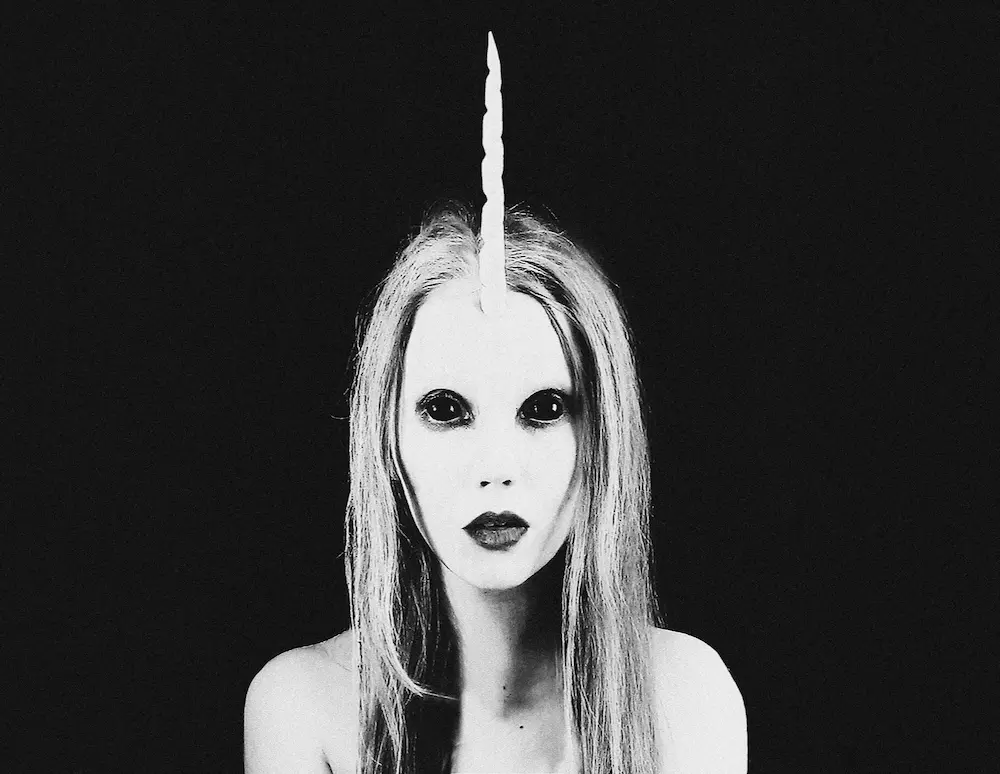
Let’s call out a common fear. You worry your creature or lore idea isn’t “original” enough because it echoes something from folklore, DnD, or another fantasy setting. The truth: what gets called “original” is almost always a clever remix. The long history of myths about creatures proves this pattern.
Most icons in games and mythology—like trolls, goblins, and faeries—draw roots from centuries-old stories. Innovation in fantasy isn’t about inventing from thin air. It’s about taking influences, blending archetypes, and adding your twist.
Levels of Remix That Lead to Actual Originality:
- Combine known creature traits in new ways. Chimeras, doppelgangers, and monsters with borrowed features prove fresh ideas come from creative mixing.
- Great DnD campaigns reuse and remix legendary monsters, adding unexpected weaknesses, motivations, or cultural quirks.
- Dogū from Japanese culture show up in modern games as everything from comic characters to epic bosses, mixing tradition with new forms.
- The best anthologies, bestiaries, and game guides rely on research. Dig into regional myths, then rewrite, adapt, and put your voice in.
You don’t need to start from nothing. Reimagining is your creative edge.
8. The Imposter in the Creative Guild
Imposter syndrome stalks every creator, no matter how much they’ve achieved. “I don’t belong here.” “My work isn’t good enough.” These thoughts keep you from sharing that monster draft or pitching your best campaign idea.
Almost all writers, artists, and game designers face these doubts. The difference? Those who win keep creating anyway. Naming the imposter is how you take its power away.
- The fastest way to shut down self-doubt is action. Make, share, and seek constructive feedback.
- Your place at the table is earned by doing the work—not by waiting for permission.
- The myth that you have to starve, suffer, or hide your voice is outdated and wrong.
- See how classic creatures get recast in different genres and settings. Each version has value, and so does yours.
Perfection is a myth. Progress is what counts every time.
9. The Guardian of Rigid Rules
Some guides or gatekeepers say there’s a right way to create monsters, lore, or worlds. Follow the formula or face the monsters at the gate. In reality, creative breakthroughs happen when you adjust or even break the “rules.”
Flexibility is your ally. Yes, some structure helps—like using bestiaries or templates. But the biggest leaps happen when you push boundaries and try wild ideas. Playable orcs. Friendly liches. Rule-breakers become memorable legends.
- Use prompts and constraints as creative fuel, not cages. A restriction often sparks a creative workaround.
- Monster design flourishes when creators let “villains” become heroes or give sidekicks center stage.
- Pop culture’s endless versions of the dogū prove there’s no single “correct” myth or look. Adapt freely.
- Your setting’s “canon” is yours to build and reshape as spirits, factions, or creatures evolve.
If a rule stops you from trying, change it.
10. The Changeling of Overnight Success
You see viral creators or bestselling games and think the process must have been instant. The myth of overnight fame discourages many worldbuilders and fantasy artists from patience.
Creators you respect worked for years, revising monsters, refining worlds, and replaying tough scenes. That “sudden” break happened after many drafts and relentless improvement.
Fast Facts That Bust the Overnight Success Myth:
- Even pitch-perfect bestiaries or epic campaign settings started in rough drafts, through many versions.
- Each monster, piece of lore, or mechanic gained depth from feedback and time, not instant perfection.
- Famous creatures—dragons, golems, or leprechauns—changed and grew with each new retelling or sourcebook.
- WriteSeen helps you build a lasting creative record by giving you safe storage, easy tracking, and a place to iterate openly.
Good things come to those who keep creating, not waiting.
11. The Chimera of Infinite Inspiration
Believers in endless inspiration get blindsided by the reality: every creator hits dry spells. What matters most is having tools and habits that recharge your ideas.
Fantasy writers, lore creators, and worldbuilders stay productive by seeking sparks—reading bestiaries, changing scenery, sketching drafts, or tackling random prompts. Scheduled breaks and new activities keep your creative “well” from running dry.
- Take breaks and let your mind wander. Often, the fix for blocks is stepping away.
- Use creative routines like collected folklore, bestiary lists, and focused feedback sessions to get back on track.
- Studying older monster designs can prompt fresh takes. Past material fuels future breakthroughs.
- Rituals, prompts, and systems let you keep moving through tough days.
You don’t have to wait for inspiration. Build a system that brings it to you.
Practical Guidance for Fantasy and Game Lore Creators Navigating Myths About Creatures
Myths about creatures echo in every creative field, but you can use this knowledge to your advantage. Ground your worldbuilding in real research. Blend folklore with modern twists. Build a process that favors regular progress, not waiting for genius.
- Research cultural legends to build authenticity and surprise into your world.
- Welcome collaboration. Join critique circles and share drafts for richer feedback and faster improvement.
- Keep a checklist: Does your monster have a weakness? Backstory? Role in society?
- With WriteSeen, secure your creative rights, track revisions, and collaborate safely. Upload your drafts, test new ideas, and connect with pros—without risking your control or originality.
Every myth you break in your creative process unlocks new power, confidence, and possibility.
Conclusion: Breaking the Myths About Creatures
The stories you believe about creativity shape the worlds you build. When you question old assumptions, experiment freely, and give yourself permission to grow, your creatures, lore, and ideas become more layered, original, and alive. Myths about creatures don’t have to define your process—they can become tools you recognize, challenge, and outgrow.
You don’t need perfect inspiration, endless suffering, or permission from gatekeepers to create meaningful work. You need curiosity, steady practice, and a willingness to share, revise, and evolve. Every step forward strengthens your voice and sharpens your imagination. You become stronger when those myths stop dictating what you believe is possible.
If you want a safe place to store your projects, track revisions, and connect with other serious creators, join WriteSeen. Build your worlds, test your ideas, and collaborate with confidence—while keeping full control of your creative work.
TAGS