Meaning of Fables: Definition, Examples & Why They Matter
by WriteSeen
The meaning of fables is this: fables are short, imaginative stories—often starring talking animals or objects—that deliver a clear moral lesson.
They distill complex truths into bite‑size wisdom, inviting readers to reflect and act.
Each fable boils big ideas down into simple, memorable scenes, making lessons easy to recall and apply.
For creators and industry professionals, fables showcase the power of concise storytelling to communicate values, guide choices, and spark new ideas.
You'll see how these classic stories remain vital creative tools, helping teams align, brands stand out, and fresh voices get heard.
Define What a Fable Means in Creative and Everyday Contexts
Fables get tossed around as childhood tales, but they’re much more than that. They’re concise, clever vehicles for big lessons, and they work for creators looking to shape memorable messages or kickstart collaboration. Understanding the meaning of fables is a launchpad for using storytelling to your advantage.
What Makes a Fable a Fable?
- Short and focused: Fables rarely waste words. They zero in on a single conflict or lesson, making them easy to recall and repeat. That’s gold when you’re pitching, crafting a campaign, or summarizing a project vision.
- Animal or object “actors”: Most fables feature animals or objects with human traits. This trick lets you tackle tricky topics or critique real issues safely. Think “the fox” for cunning or “the tortoise” for steady effort. It also helps turn abstract values into something you can see and feel.
- Moral front and center: Every traditional fable lands on a core takeaway, sometimes stated outright. This directness sticks—great for team reminders, brand slogans, or even ground rules.
- Not a fairy tale or myth: Fables differ from fairy tales (long, magical, full of wonder), parables (often use people, focus on religious or philosophical lessons), or legends (blend of history and story). Fables go right for the lesson with maximum efficiency.
You don’t need to be a kid to use fables. Today, fables show up in ethical dilemmas during training sessions, in ad copy that teaches what your brand stands for, and in creative briefs that get teams aligned in seconds.
Short stories featuring talking animals or objects, delivering lessons you remember, have never been more useful for creators and teams needing clarity.
Definitions In Action:
- Creatives use fables to boil down values when launching products or prepping pitches.
- Teachers (and workshop leaders) use them as quick prompts for big discussions.
- For your next team project kick-off, ask: what’s our fable, and what does our “moral” need to be?
Explore the Origins and History of Fables Globally
Fables did not just pop up in schoolbooks. They traveled continents, changed with each retelling, and shaped real-world reasoning for generations. Understanding this journey matters if you want to better understand the meaning of fables and harness their power today.
From ancient Greece, we get Aesop and his famous stories. Each one tested human behavior—greed, pride, patience—with animals as stand-ins. India’s Panchatantra is another giant: it used stories inside stories to map out how to survive and thrive in complex societies. In China, Buddhist Jataka tales told of past lives to drive home self-control and wisdom. Across Africa, trickster tales about Anansi spread lessons about resilience and resourcefulness.
Why Did These Stick?
- They’re short, memorable, and hard to mess up, so anyone could retell them.
- The animal characters break down barriers and invite people in, letting the lesson shine.
- Through print and oral tradition, fables constantly adapted, tying back to local culture and contemporary problems.
You see the same story templates—outsmarting the greedy, rewarding the patient, exposing the proud—pop up everywhere. That is proof that these lessons resonate whether you are designing games, writing scripts, or launching businesses. Each culture stamped its own values onto these structures, making them relevant with every retelling.
Fables survived because they fit the way people think: simple cause, clear effect, big impact.
If you create for a global audience, knowing this history lets you speak in stories that work across borders. It’s also key when remixing or adapting fables for your own projects—roots matter.
Unpack the Key Characteristics That Make Fables Unique
You want your message to stick? Fables have mastered this art. Every feature of a fable is built to express the meaning of fables through clarity, speed, and impact.
What Makes a Fable Stand Out?
- Short and sharp: A handful of paragraphs. No filler. The lesson jumps out.
- Characters as symbols: The fox, the crow, the lion—they’re more than characters. They’re shortcuts for key traits. Use this to make your message hit fast.
- Moral is the mission: Good fables end with a maxim. Modern takes sometimes leave it unsaid, but the lesson is always clear to the sharp reader.
- Allegory for all: Animals and objects let you tackle sensitive or complex topics with a safe distance. You can critique a system, spotlight a behavior, or frame a tough truth.
- One issue at a time: Fables target a single challenge, making the solution obvious and easy to follow.
This structure means fables outperform dry policies or ambiguous stories when you need instant clarity—a big plus in creative settings or team training.
Key Details That Hold Up:
- Stock animals speed up understanding. If you want to set a tone for a workshop or campaign, pull one in.
- Brevity builds recall. When you want fast adoption—of rules, values, or concepts—fable formats hit the mark.
Illustrate Classic and Modern Examples of Fables
Let’s ground this in reality. Classic and modern fables still do heavy lifting every day, not just on paper but everywhere people, teams, and projects need a reset.
Iconic Fables You Already Know
- The Tortoise and the Hare: Slow and steady discipline wins, even against natural talent. Used daily in coaching, product launches, and creative planning.
- The Boy Who Cried Wolf: Warns against exaggeration and false alarms. Directly maps onto client communication, feedback cycles, and trust-building exercises.
- The Fox and the Grapes: Shows how people often pretend not to want what they cannot have. Critical lesson in goal-setting and honest evaluation.
Global Takes and Uses
Panchatantra tales teach statecraft and friendship among animals. Jataka stories from Buddhist tradition model ethical choices through the Buddha’s earlier lives. Anansi tales in Africa explore wit and adaptability as social skills.
Modern Adaptations
- Picture books and short animations reboot these classics for kids—layering in new values (diversity, empathy).
- Ad agencies, branding pros, and UX teams use micro-fables to explain or sell.
- Digital platforms push bite-size fables as social content—just enough for a scroll, but enough to spark action.
You See Fables Living In:
- Brief team onboarding stories.
- Pitch decks: the “underdog” arc, the “cunning fox” play.
- Short-form games: decisions with visible, instant consequences.
That is proof that the meaning of fables adapts well to any medium or need.
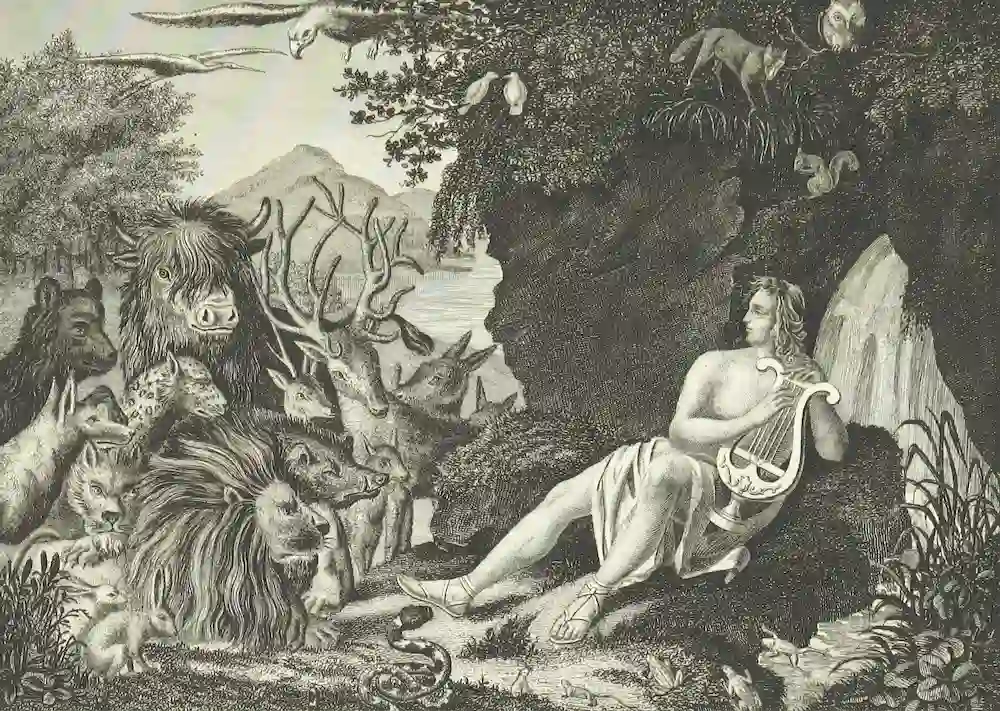
Explain Why Fables Matter in Everyday Life and Creative Work
Why use fables instead of straight facts or rules? Because you want lessons that get into people’s heads and stay there. The meaning of fables brings practical, repeatable clarity in creative life, collaboration, and growth.
Use Fable Morals To:
- Shape feedback culture across creative teams. “Don’t cry wolf” sets standards for honest signals.
- Align group focus with a shared shorthand. “We’ll take the tortoise approach” stops debate and clarifies process.
- Anchor branding or product messages: origin-story fables help brands stick in a crowded marketplace.
You see gains in team unity, faster project ramp-ups, and tighter pitches.
At WriteSeen, we’ve seen creators land new gigs and partnerships by shaping their journey as a memorable fable—a unique arc, a clear challenge, a lesson learned. Our distraction-free, timestamped environment gives you the space and security to try this, get feedback, and refine until your story hits.
The real power of fables is in turning complex projects, feedback, and team goals into something everyone can share, remember, and act on.
Try framing your next challenge or pitch as a two-line fable. Watch the clarity and momentum rise, right away.
Demonstrate How Creators and Professionals Use Fables Today
The meaning of fables shows they are more than bedtime stories. They’re rapid-fire tools for creators, business pros, and teams who want to sharpen their craft, pitch smarter, and connect deeper. You don’t need a publishing deal or a classroom to put them to work. All you need is a willingness to start small, iterate, and share.
Try These Proven Fable Exercises:
- Boil a complex lesson down to a single sentence. Then build a two-frame animal story around it. This forces clarity and hooks an audience fast.
- Flip a classic fable’s outcome or lead character. Switch the weak for the cunning, or success for failure, and see what fresh insights emerge. It’s a shortcut to brainstorming.
- Limit length, word count, or cast. Focus on your key message. This discipline sharpens every line of your pitch, client email, or project summary.
Fable-driven teamwork works too. Teams rewrite one fable for clients, then for expert partners. You’ll feel how tone, style, and priorities shift. That’s audience understanding in practice.
Today’s digital world gives extra fable firepower. You see micro-fables packed into social media posts, short-form videos, and interactive games. They win attention because readers process the message before their next scroll.
Platforms like WriteSeen specialize in secure sharing and creative exchange. You draft a fable, post it, gather timestamped proof, and get insights from real creators and collaborators around the globe. You build up your “fable bank” while keeping your work yours. That’s real creative momentum.
Fables deliver feedback, memory, and connection—instantly, safely, and everywhere you create.
Compare the Moral Lessons of Fables to Everyday Challenges
Fable morals are toolkit essentials. They fit daily creative life, project management, and growth, not just abstract ethics. When you face a tough brief, burnt-out team, or creative block, reach for the right lesson.
Fable Morals and Where to Use Them:
- Slow and steady wins the race: Value progress, not just speed. Applies to development cycles and skill-building. Ideal when the finish line matters more than flash.
- Appearances can be deceiving: Surface polish doesn’t equal substance. Use when hiring, critiquing, or launching campaigns; judge by depth, not gloss.
- Honesty builds trust: Credibility makes or breaks collaborations. Great when presenting ideas, giving feedback, or documenting results.
- Don’t bite off more than you can chew: Know your limits. Essential for scope management or when onboarding new team members.
Teams who anchor their actions to fable morals work smarter under stress. When deadlines close in, repeating: “steady wins” resets the mood and expectations.
Behavioral research backs up the power here: clear, narrative-driven reminders move people to act better, faster, and with less confusion.
The strongest creative cultures use fable morals to cut through noise and keep everyone moving toward the same goal.
Answer Common Questions About Fables and Their Meaning
You might ask: Why return to fables as an adult? Aren’t they just for kids or casual readers? The evidence says otherwise. These Q&As get right to the point.
What sets a fable’s moral apart from regular advice?
Fables show, not just tell. The cause-and-effect structure makes the lesson stick. Seeing the outcome, even through animals, hits harder than a rule on paper.
Aren’t fables outdated for pros?
No. Modern creators use layered meanings, updated characters, and even satire. Fables are flexible enough for complex ideas and smart enough for grown-up challenges.
How does writing a fable help creative work?
It builds clarity, sharpens purpose, and makes messages concise. You get better at pitches, creative briefs, and core messaging—no wasted motion.
How can fables stay safe when shared online?
At WriteSeen, your drafts, comments, and adaptations are all time-stamped and stored securely. That means proof of authorship, clear development history, and full creative control before you publish, pitch, or share. It’s the web’s way of protecting a centuries-old format.
Fables are tested tools, ready for anyone willing to use story structure for impact and growth.
Connect Fables to Creative Collaboration and Professional Growth
You want teams that communicate with clarity and clients who remember you. Fables are team glue and project fuel rolled into one.
Creators who use fables report:
- Faster team meetings: Morals set boundaries and priorities from the start.
- Lower friction: Shared stories give rapid common ground in new groups.
- Stronger proposals: Fable arcs sell ideas and strategies simply and memorably.
Fuel workshops, networking, or daily reflection with prompts like:
- Write a micro-fable about this week’s biggest project block.
- Match a current challenge to a classic animal character, and flip the expected outcome.
- Keep a team “fable wall” where each project gets a two-sentence story and a moral.
Over time, you’ll see fables become part of your growth culture. Teams invoke the right story at the right moment—and work gets easier, faster, smarter.
Conclusion: Rediscover Everyday Power in the Meaning of Fables
Fables aren’t dusty children’s tales—they’re precision storytelling tools built for clarity. By using simple characters, fast cause-and-effect, and a sharp moral, they turn complex truths into messages people actually remember and repeat.
In creative work and professional settings, the meaning of fables shows up as shared shorthand: a quick story that aligns teams, strengthens feedback culture, and makes values feel real instead of abstract. When you can frame a challenge as a micro-story with a clear takeaway, your pitches tighten, your briefs sharpen, and your ideas land faster.
If you want a secure place to draft, share, and refine fables (and any short-form storytelling) with proof of authorship, join WriteSeen—upload your work, get feedback from real creators worldwide, and build a portfolio of stories that stick.
TAGS